


Upcycling and recycling
Upcycling and recycling are both methods of dealing with waste, but they work in different ways. Both methods help reduce waste and minimize environmental impact, but upcycling tends to focus on creativity and enhancing the value of the materials.
Recycling involves breaking down materials to create new products. For example, plastic bottles can be turned into new plastic items, and old fabrics can be made into new textiles.
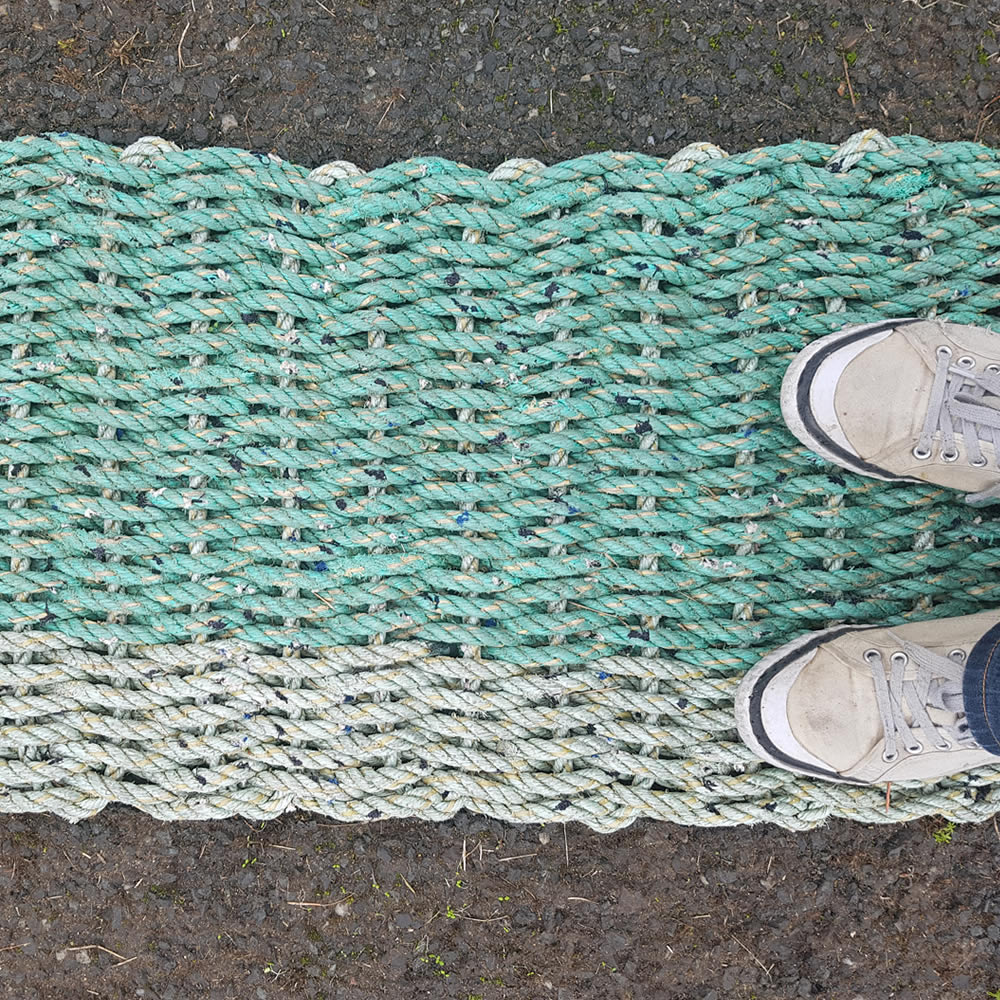
Upcycling, on the other hand, is about repurposing old materials into something new and often more valuable without breaking them down. For instance, old fishing ropes can be turned into unique doormats or other products, giving them a second life and purpose..



Recycling focuses on reducing the amount of waste by producing new products from used materials, while upcycling focuses on reducing waste by giving new life to used products.
Recycling old ropes is the process of collecting, sorting, processing, and transforming worn-out ropes into finished products. This can include turning the ropes into new items, such as doormats, rugs, or even keyrings. Recycling ropes helps reduce waste, save resources, and protect the environment.


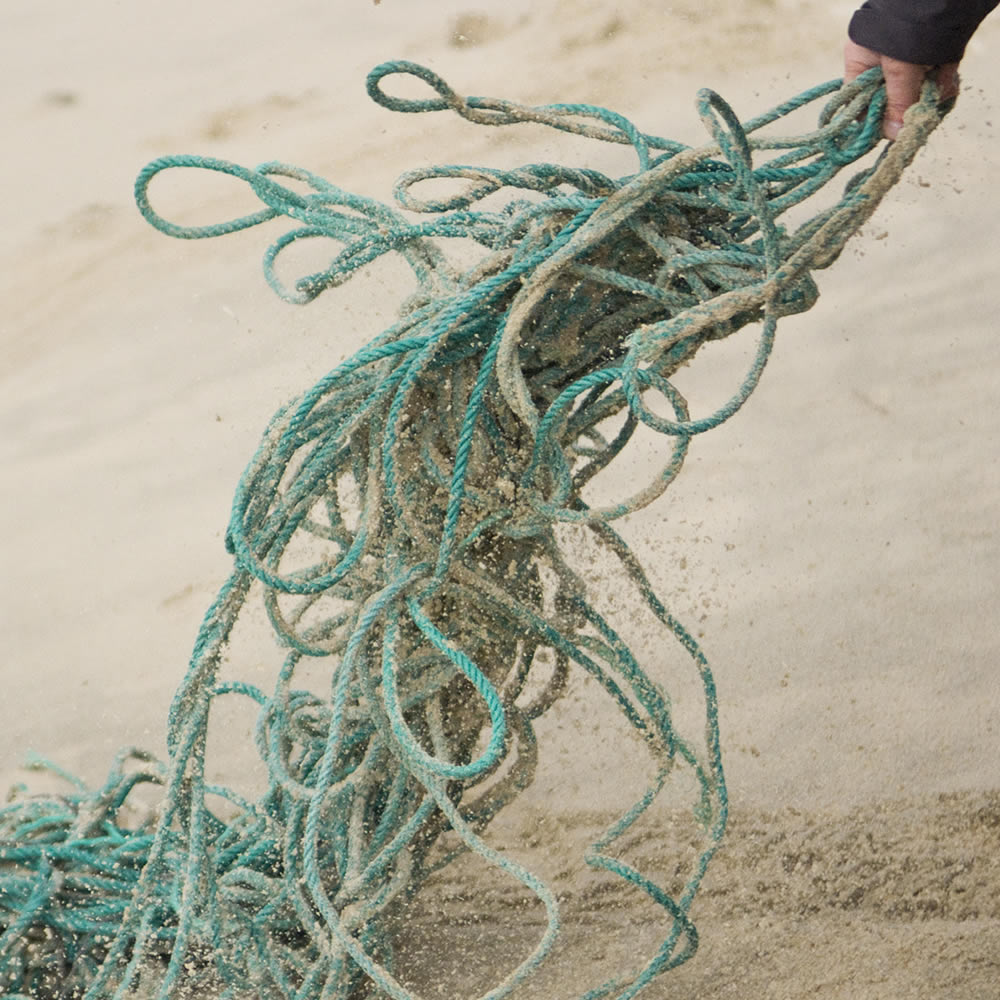





Upcycling fishing ropes involves reusing worn-out or obsolete ropes by transforming them into useful and durable products. Fishing ropes, often made of nylon or polypropylene, are typically very strong and long-lasting. They can be upcycled into items like bags, rugs, baskets, doormats, plant hangers, and more. Upcycling fishing ropes helps reduce waste, protect the environment, and promote a circular economy. It can also create new job and income opportunities for those involved in producing upcycled products from fishing ropes.
Worn ropes refer to ropes that have been used and are considered more suitable for recycling than for being discarded. These ropes can be made of cotton, hemp, sisal, or synthetic materials like polypropylene. They can be collected from various sources such as ports, maritime transport companies, construction sites, or businesses that use ropes in their operations. Recycling these ropes helps reduce waste and preserve natural resources.
Ropes used by sailors : Sailors use ropes for a variety of tasks aboard ships, such as handling sails, mooring boats at dock, and lifting heavy loads. The ropes used by sailors must be strong, reliable, and resistant to saltwater and weather conditions. They can be made from natural fibers like hemp or sisal, or from synthetic materials like polypropylene, which offer better resistance to water and mold. Sailors also use ropes of different sizes and thicknesses depending on their specific needs. Worn or obsolete ropes used by sailors can be recycled or repurposed for other nautical or industrial applications.
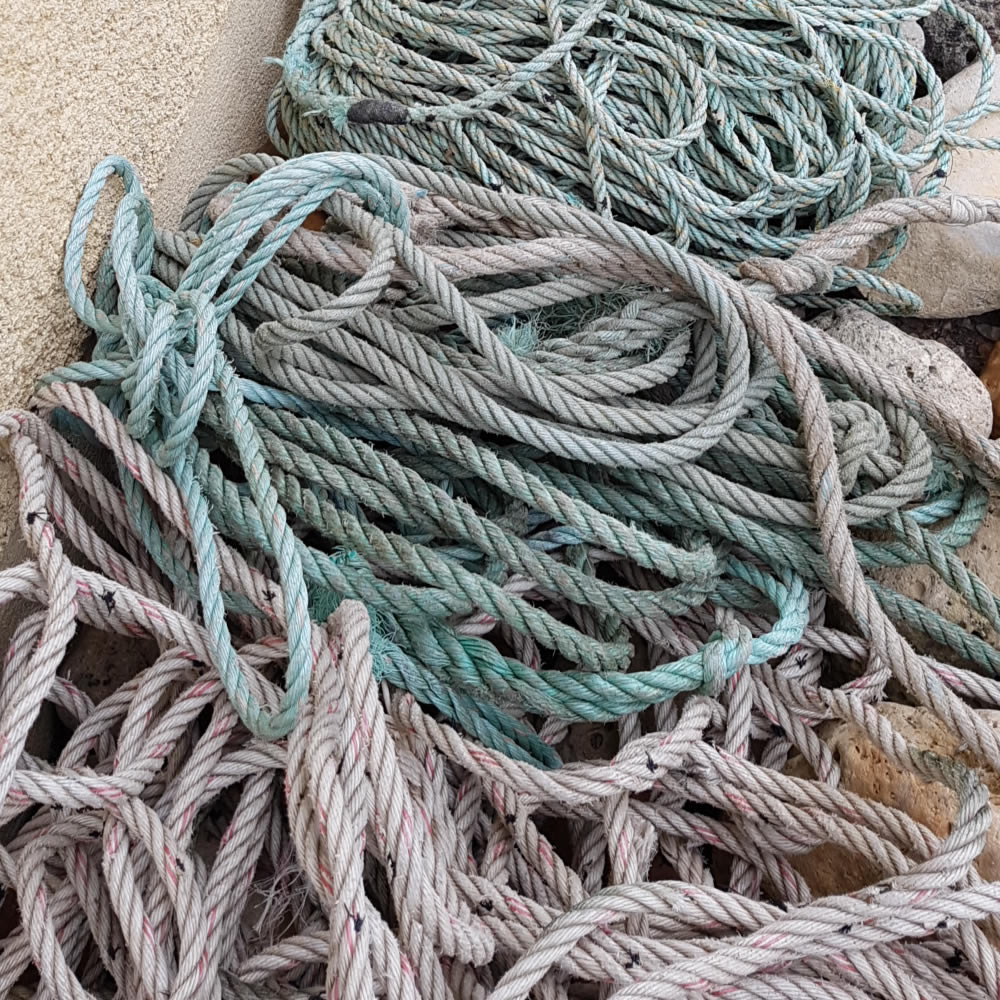

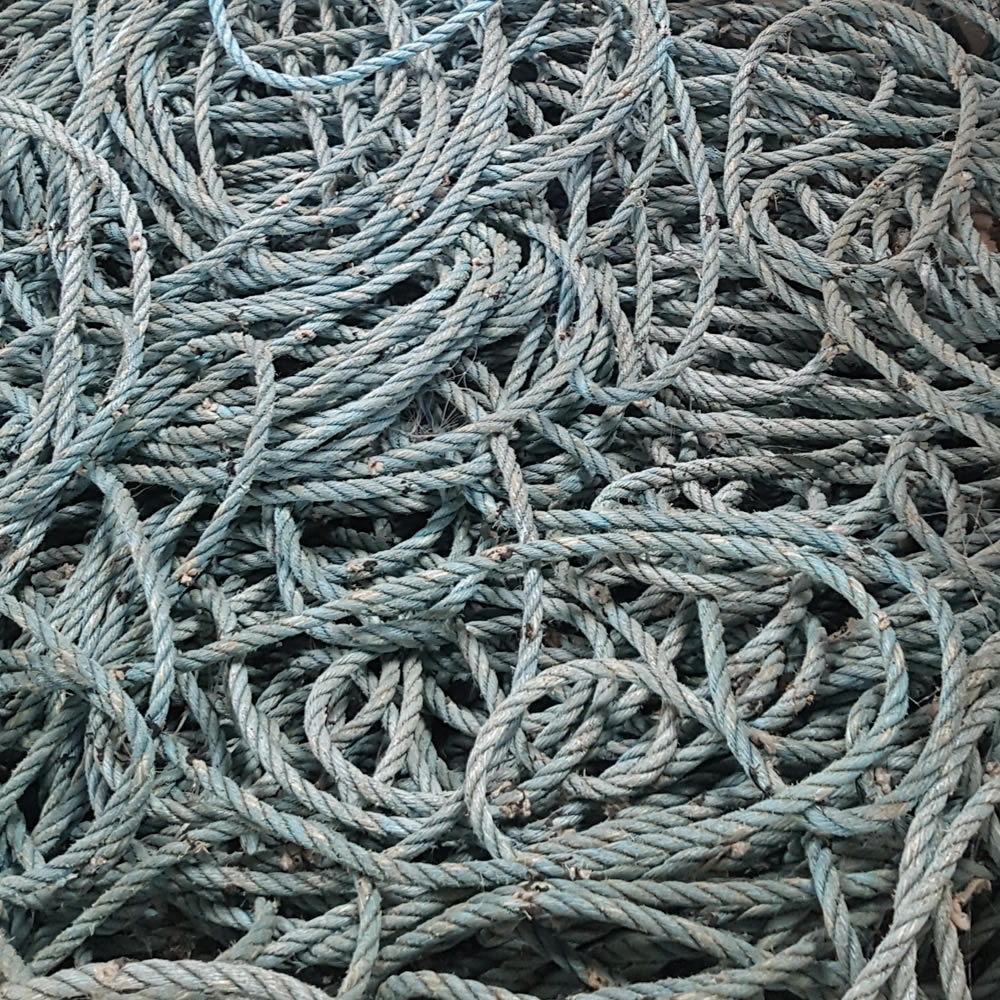
Eco-friendly doormat : An eco-friendly doormat is a welcome mat made from sustainable and environmentally friendly materials. It can be made from recycled materials, such as scraps of used rope, straw, bamboo, linen, hemp, organic cotton, etc. Eco-friendly doormats are often designed to be durable, reusable, and can be easily cleaned for long-term use. They are also often produced in a fair and worker-friendly manner. By choosing an eco-friendly doormat, you can contribute to protecting the environment and promoting responsible and sustainable production.

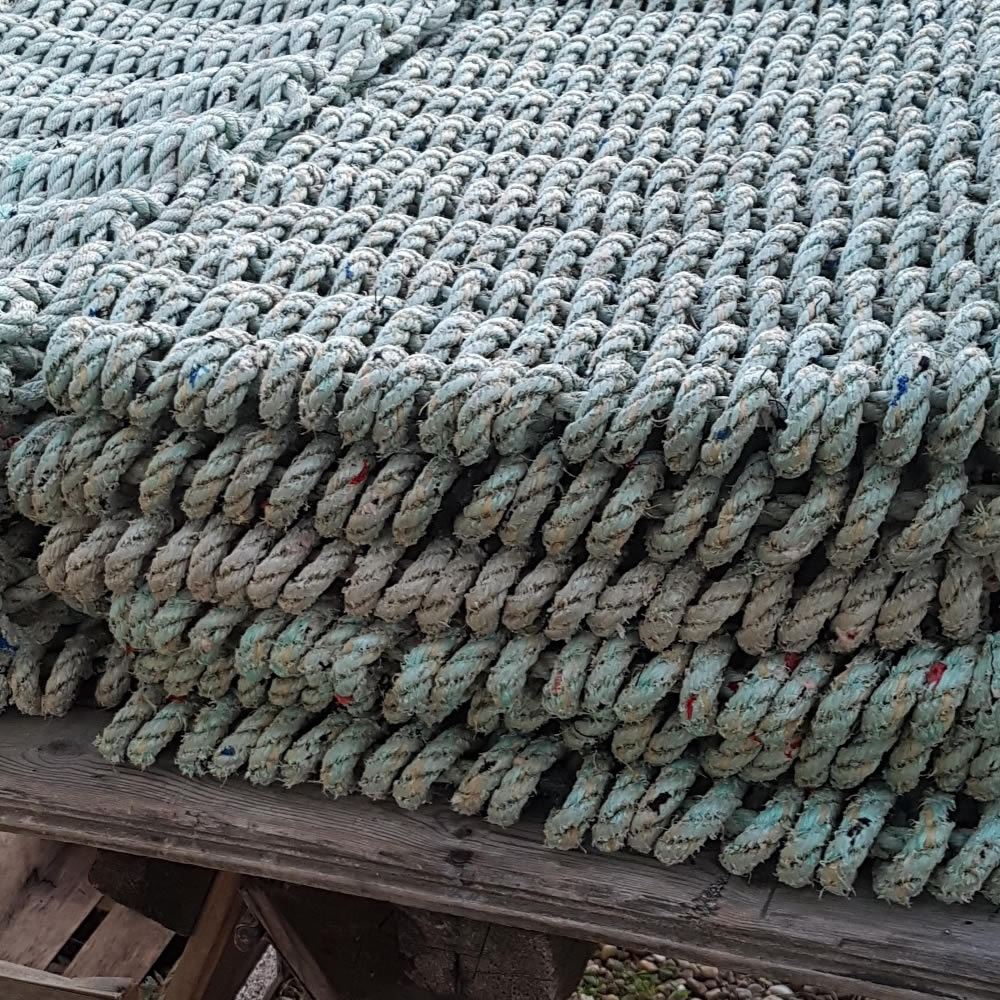
The term "ropework" can refer to different aspects related to ropes and cordage. This can include the production of ropes, the transformation of ropes into cordage, the repair of damaged ropes, the storage and distribution of ropes, etc. Ropemaking can also include the selection of ropes for specific applications, such as home, nautical, lifting, transportation, etc. Ropemaking companies can supply ropes in different materials, sizes and specifications to meet the needs of their customers. The term "roping" can also refer to the way in which a rope is knotted or braided to form a cordage, as well as the set of techniques and skills required to produce quality ropes.